
Chemotherapy Side Effect Chronic Nerve Pain in 40%

A recent global study published in Regional Anesthesia & Pain Medicine has revealed that chemotherapy leads to persistent, severe nerve pain in 4 out of 10 cancer patients. The study, which analyzed data from 77 studies across 28 countries, highlights the growing challenge of chemotherapy-induced peripheral neuropathy (CIPN) and calls for personalized pain management strategies.
Chemotherapy, while life-saving, can damage healthy nerve cells, resulting in symptoms such as numbness, tingling, burning sensations, and mobility issues. The findings suggest that platinum-based drugs and taxanes are associated with the highest risk of long-term neuropathy, with lung cancer patients showing the greatest prevalence at 62%.
The study pooled data from 10,962 cancer patients, of whom 4,545 experienced chronic nerve pain lasting more than three months. Geographic disparities were also noted, with Asian patients experiencing the highest prevalence (46.5%), while European patients reported the lowest (36%).
Lead researchers stress that early diagnosis and tailored pain management strategies are essential in addressing this growing health burden. Understanding individual risk factors, such as chemotherapy type, dosage, and pre-existing conditions, could lead to better treatment protocols and improved quality of life for cancer survivors.
Despite variations in study methodologies, the findings underscore the urgent need for personalized pain relief solutions. Researchers advocate for further studies to explore why certain chemotherapy regimens and patient demographics face higher risks, ultimately aiming to develop interventions that minimize chronic pain post-treatment.
As cancer survival rates improve, the focus must shift toward managing long-term side effects. Patients and healthcare providers should discuss neuropathy risks before starting chemotherapy and consider preventive or therapeutic strategies to mitigate long-term damage.
Join us at HerHealth Oncology Congress 2025 to get the latest updates on oncology.
More Information: D’Souza, R. S., et al. (2025). Global estimates of prevalence of chronic painful neuropathy among patients with chemotherapy-induced peripheral neuropathy: systematic review and meta-analysis of data from 28 countries, 2000–24. Regional Anesthesia & Pain Medicine. doi.org/10.1136/rapm-2024-106229

 Night Shift Work Alters Key Circadian Gene Expression
A recent study published in Frontiers.
 Tirzepatide Weight Loss: Fat Mass and Muscle Findings
Key points Tirzepatide was associated with.
 Coffee and Gut Microbiome: Brewing and Metabolic Effects
Key Points Coffee contains caffeine, chlorogenic.
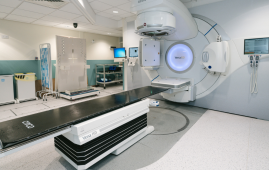 Low-Dose Radiation Therapy Shows Promise in Early Knee OA
Key Points Low-dose radiation therapy was.
 Oral Hormone Replacement Therapy Raises Blood Clot Risk
Key Points Oral hormone replacement therapy.
 GLP-1 Health Information: Quality, Completeness, & Engagement
Key Points A study assessed 128.
 DNA Damage Response May Drive Biological Aging
Key Points Chronic DNA damage response.
 Maternal Diet Fails to Reduce Infant Egg and Peanut Allergy
Key Points A large Australian randomized.
 Psychedelic-Assisted Psychotherapy: Music in Treatment
Key Takeaways Psychedelic-assisted psychotherapy combines psychedelic.
 Cardiovascular Frailty Links Heart Health and Aging
Key Points Cardiovascular frailty may connect.
Leave a Comment