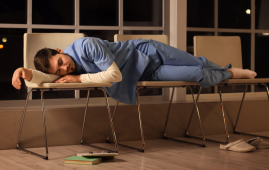
Image by Freepik

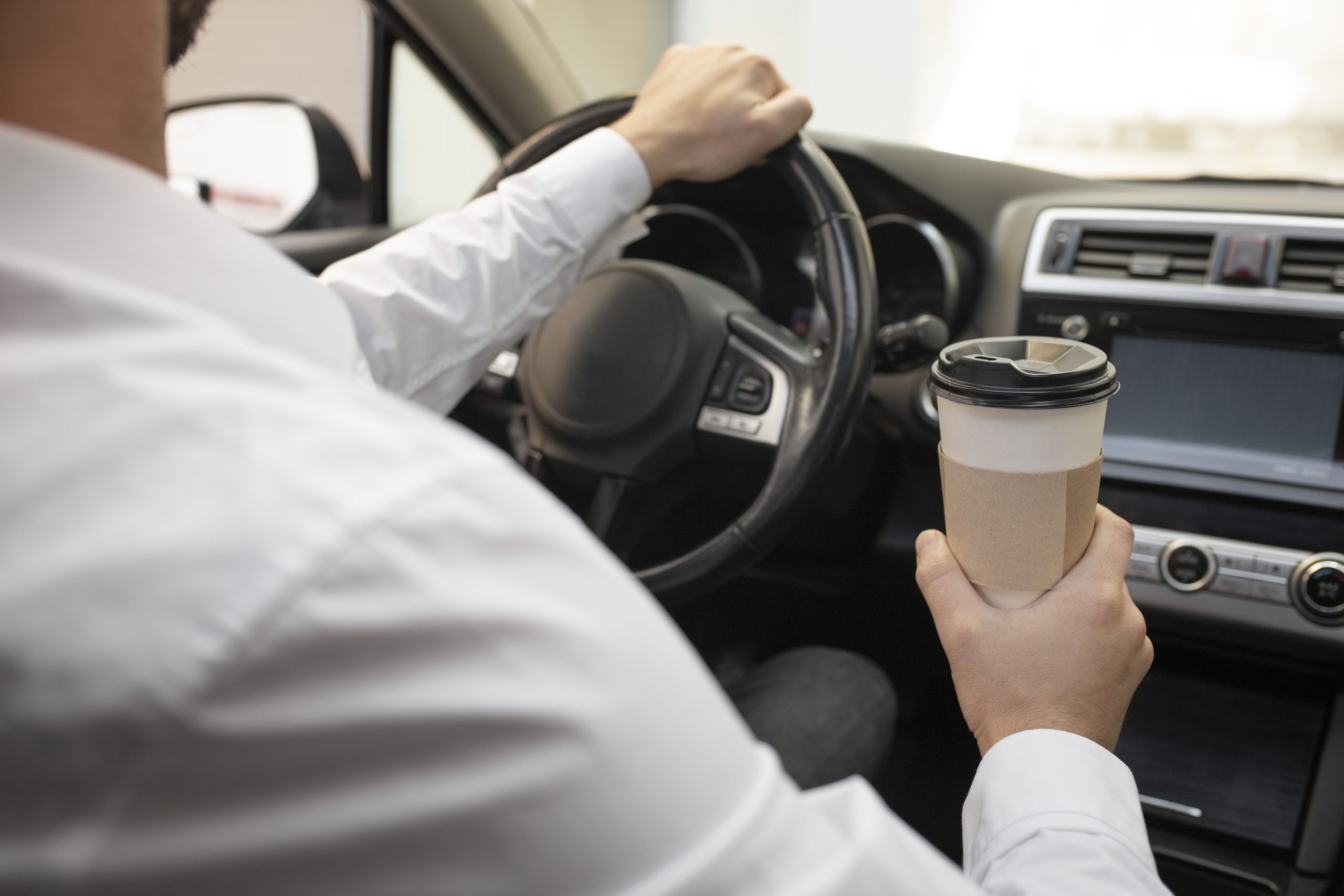
According to government data, fatigue was a role in 1,195 collisions in 2021, but there is a lack of knowledge on what OSA sufferers – a demographic at elevated risk of driver sleepiness – should do if they feel fatigued while driving. Professor Ashleigh Filtness, a specialist in Transport, Human Factors, and Sleep Science in the School of Design and Creative Arts, will assess the effectiveness of a ‘caffeine naps’ – in which drivers have a caffeinated drink and a 15-minute nap – as a countermeasure to driving tiredness in OSA patients.
The Road Safety Trust-funded initiative will produce an evidence-based guideline for best practice, which will subsequently be distributed to OSA patients, clinicians, and the Driver and Vehicle Standards Agency (DVSA).
“Sleepiness is a natural part of everyday life,” stated Professor Filtness. Everybody gets fatigued every day, thus every motorist should know what to do if they get tired while driving.
“Having a caffeinated drink and a 15 minute nap, if possible, helps to temporarily alleviate tiredness. This countermeasure of a ‘caffeine naps’ has been evaluated in laboratory settings, however, it is not known how or if drivers put this advice into practice in the real world.
“Additionally, while this advice is likely to be appropriate for the vast majority of people, for some its efficacy has not been tested and it could be that alternative advice may be more effective.
“One such group is OSA patients. OSA patients would routinely be advised to sleep on their side and use a continuous positive air pressure machine while sleeping, neither of which is practical when having a nap in a vehicle.
“This project will undertake a focused investigation to develop appropriate guidance for OSA patients and their physicians. Being alert when driving is everyone’s responsibility, so it is important that we all have access to accurate information to help manage driver sleepiness.”
Sonya Hurt, chief executive of The Road Safety Trust, added: “Driver fatigue causes hundreds of collisions a year. It is a really serious issue.
“This project can play a big role in alleviating risk for drivers who suffer with OSA, through establishing the best practice for so-called caffeine naps.”

 Gamma Oscillations Restored in Alzheimer’s Disease Mice
Key takeaways Researchers restored parvalbumin (PV).
 Coffee Consumption Linked to Lower Recurrent VTE Risk
Key points at a glance Study.
 Body Roundness Index Linked to Higher Heart Attack Risk
Key findings at a glance Study.
 Maternal Diet Fails to Reduce Infant Egg and Peanut Allergy
Key Points A large Australian randomized.
 Visual Impairment Linked to Higher Dementia Risk
Key findings at a glance A.
 Long-Acting HIV Treatment May Help Drug-Resistant Cases
Key Takeaways A UCSF study found.
 Night Shift Work Alters Key Circadian Gene Expression
A recent study published in Frontiers.
 Tirzepatide Weight Loss: Fat Mass and Muscle Findings
Key points Tirzepatide was associated with.
 Coffee and Gut Microbiome: Brewing and Metabolic Effects
Key Points Coffee contains caffeine, chlorogenic.
 Low-Dose Radiation Therapy Shows Promise in Early Knee OA
Key Points Low-dose radiation therapy was.
Leave a Comment