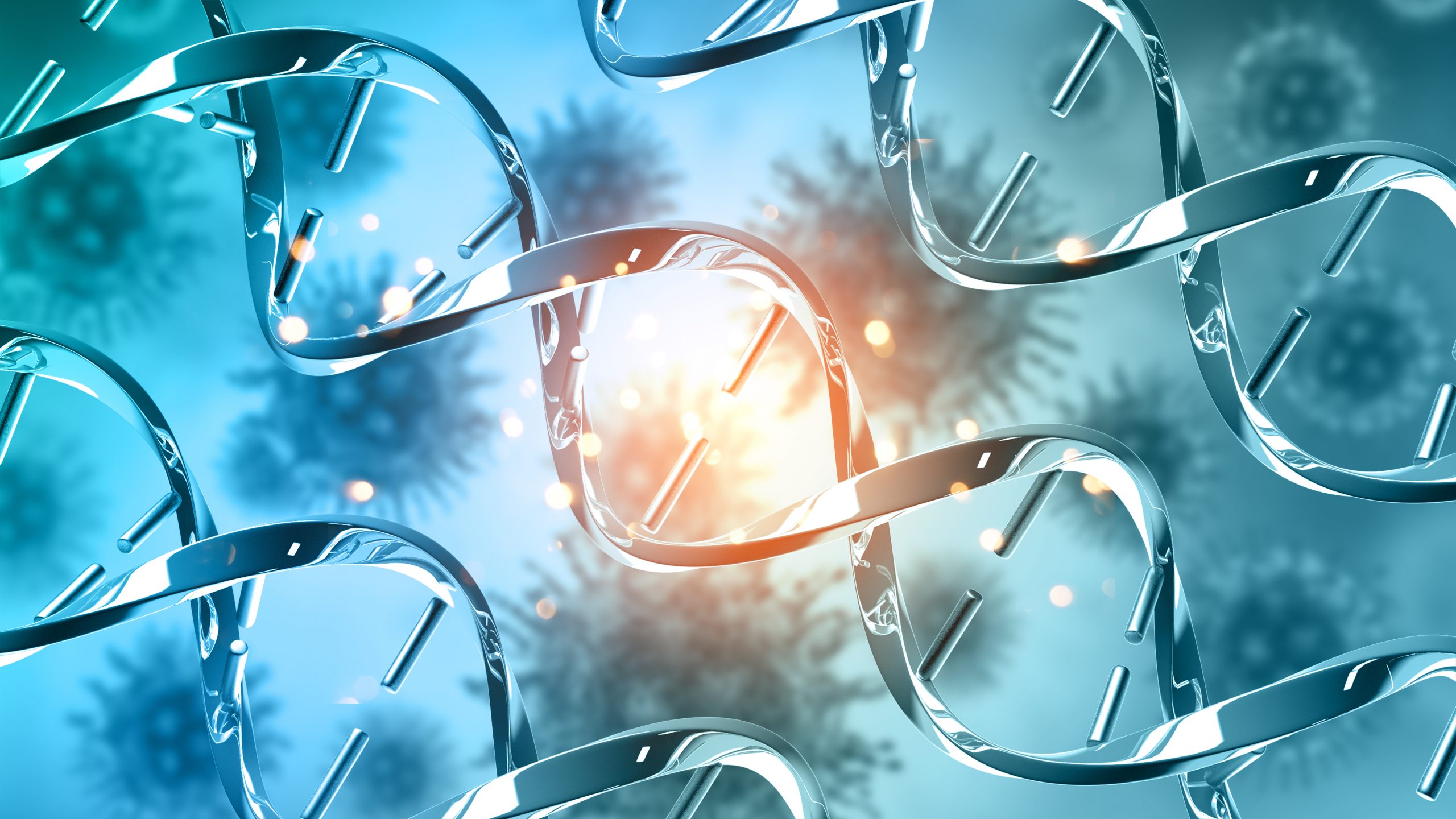
Image by kjpargeter on Freepik

The ability of the immune system to deliver its army of immune cells to the proper region with the right level of response is critical to the body’s ability to fight an infection or a growing tumor. An insufficient or excessive immune response can result in cancer, autoimmune illness, or inflammatory problems such as asthma, skin diseases, and digestive issues.
Now, scientists at Johns Hopkins Medicine have developed a blue light-guided system to direct immune cells, a tool that might possibly be used to direct these cells to the site of an infection or a developing tumour. The findings were published in the journal Developmental Cell.
The scientists genetically altered human neutrophils, a type of white blood cell that fights infections, and macrophages, leukocytes that engulf and absorb foreign, dead, or damaged cells, to direct immune cells.
The cells were genetically modified to make cryptochrome, a flavonoid molecule present in many plants that is activated by blue light. When the blue light was shone into laboratory dishes containing these cells, it activated a cascade of chemical signals and growth factors inside the cell, including Ras and AKT proteins.
Changes in signals and growth factors in leukocytes were associated with changes in the leukocyte’s cytoskeleton (a form of scaffolding that gives cells their structure) and polarity (the cell’s shape and intracellular material arrangement). Within minutes, immune cells began to track and move toward the blue light source.
According to the Johns Hopkins research, lead by academics Peter Devreotes, Ph.D., and Dhiman Pal, Ph.D., this is the first proof that Ras and AKT proteins, which are generally recognized for stimulating cell development, may have such a direct effect on the cytoskeleton and polarity in immune cells.
The researchers believe that light-powered technology could improve antipathogen and anticancer treatments by directing immune cells directly to the site of the infection or cancer.

 Gamma Oscillations Restored in Alzheimer’s Disease Mice
Key takeaways Researchers restored parvalbumin (PV).
 Coffee Consumption Linked to Lower Recurrent VTE Risk
Key points at a glance Study.
 Body Roundness Index Linked to Higher Heart Attack Risk
Key findings at a glance Study.
 Maternal Diet Fails to Reduce Infant Egg and Peanut Allergy
Key Points A large Australian randomized.
 Visual Impairment Linked to Higher Dementia Risk
Key findings at a glance A.
 Long-Acting HIV Treatment May Help Drug-Resistant Cases
Key Takeaways A UCSF study found.
 Night Shift Work Alters Key Circadian Gene Expression
A recent study published in Frontiers.
 Tirzepatide Weight Loss: Fat Mass and Muscle Findings
Key points Tirzepatide was associated with.
 Coffee and Gut Microbiome: Brewing and Metabolic Effects
Key Points Coffee contains caffeine, chlorogenic.
 Low-Dose Radiation Therapy Shows Promise in Early Knee OA
Key Points Low-dose radiation therapy was.
Leave a Comment