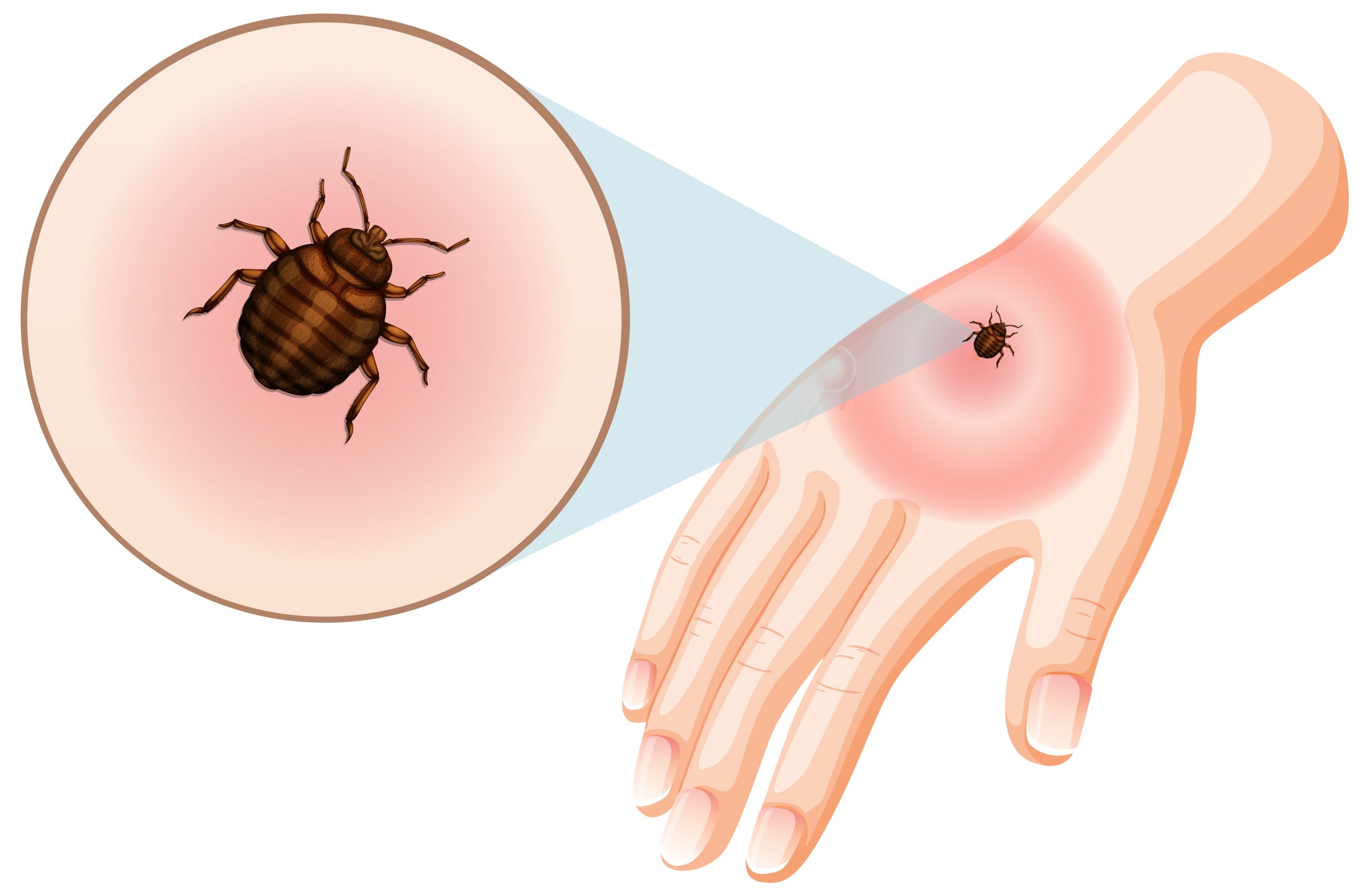
Image by brgfx on Freepik

A huge group of medical experts from several institutions in the United States collaborated with a couple of colleagues from the University of Ljubljana in Slovenia to sequence the genomes of hundreds of samples of Borrelia burgdorferi, the bacterium that causes Lyme disease.
The research discusses changes they discovered in different strains of the bacteria, as well as aspects of its proteins that appear to be associated to varied symptoms experienced by patients, in their paper published in PLOS Pathogens.
Lyme disease is the most common vector-borne disease in both North America and Europe, caused by a bacterial infection (B. burgdorferi). It is distinguished by the presence of bulls-eye-shaped rings surrounding the site of infection, which is usually a tick bite. The severity of symptoms varies greatly amongst people, depending on which regions of the body are infected. The research team hoped to learn more about why different bodily areas become targets for germs and why patients’ reactions to infections vary so greatly.
The research team gathered tissue samples from the bite sites of 299 individuals to understand more about B. burgdorferi in general. The scientists then looked for genetic differences in the samples by studying their genomes. The differences were then linked to symptoms, particularly the most severe ones.
In doing so, they discovered differences that appeared to be more common in patients with more severe symptoms. They also discovered changes in the bacterial proteins generated by different strains of Borrelia burgdorferi. They discovered such changes in proteins on the surface of bacteria that were related to the bacteria’s ability to spread to different sections of the body.
The researchers point out that such spread is often accompanied with more severe symptoms, such as when germs enter the circulation and travel to the brain system or joints.
The researchers suggest that their work should be viewed as a stepping stone to a much larger study of Lyme disease, which will hopefully lead to a better understanding of why the immune system is so easily overcome by the bacteria in so many patients and why symptoms persist in some patients for months or even years.

 Brain-Computer Interface Uses EEG in Unresponsive Patients
Key findings at a glance Mind-controlled.
 Gamma Oscillations Restored in Alzheimer’s Disease Mice
Key takeaways Researchers restored parvalbumin (PV).
 Coffee Consumption Linked to Lower Recurrent VTE Risk
Key points at a glance Study.
 Body Roundness Index Linked to Higher Heart Attack Risk
Key findings at a glance Study.
 Maternal Diet Fails to Reduce Infant Egg and Peanut Allergy
Key Points A large Australian randomized.
 Visual Impairment Linked to Higher Dementia Risk
Key findings at a glance A.
 Long-Acting HIV Treatment May Help Drug-Resistant Cases
Key Takeaways A UCSF study found.
 Night Shift Work Alters Key Circadian Gene Expression
A recent study published in Frontiers.
 Tirzepatide Weight Loss: Fat Mass and Muscle Findings
Key points Tirzepatide was associated with.
 Coffee and Gut Microbiome: Brewing and Metabolic Effects
Key Points Coffee contains caffeine, chlorogenic.
Leave a Comment