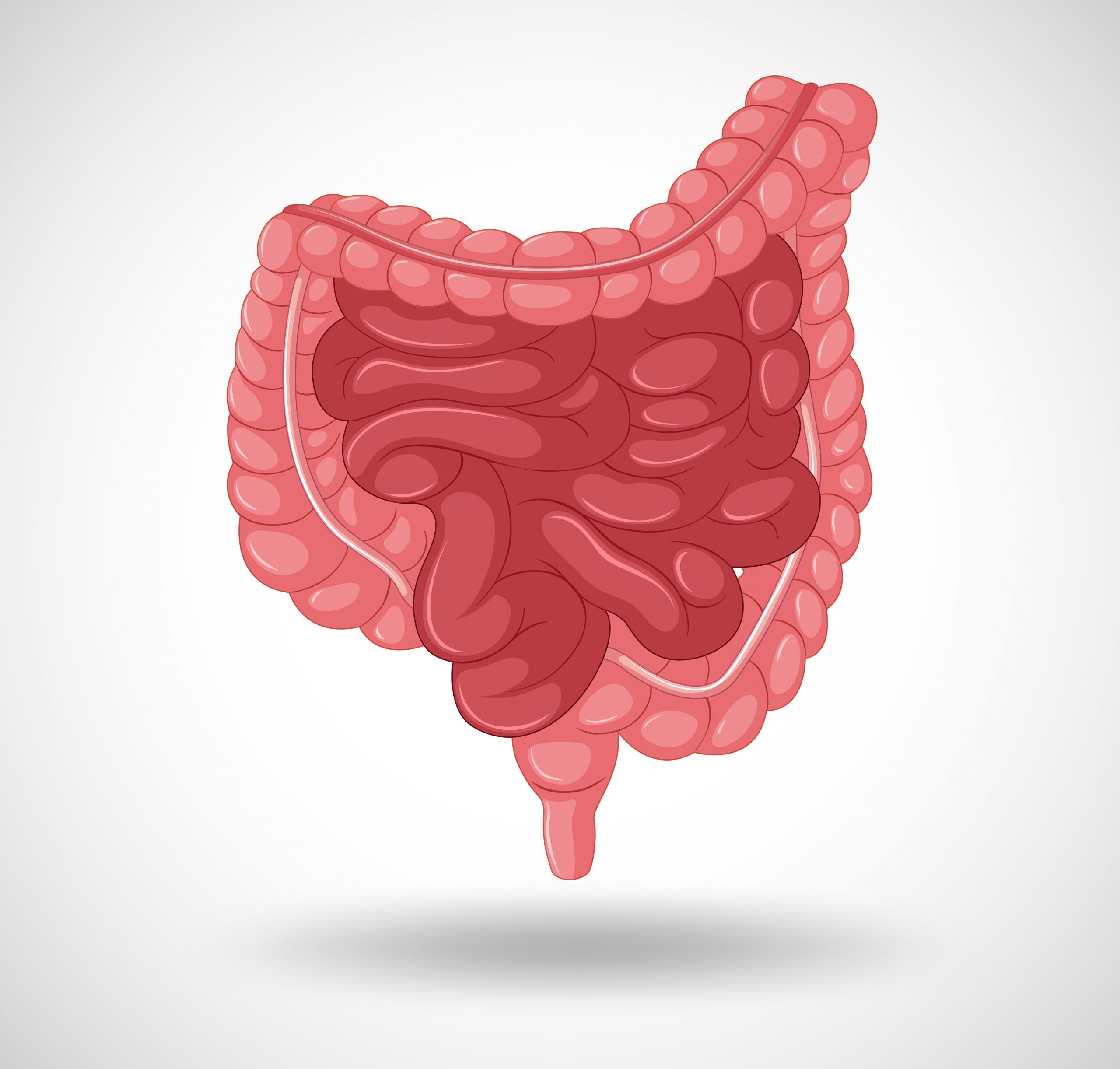
Image by brgfx on Freepik

According to a new study from the University of British Columbia (UBC) and BC Children’s Hospital, the sugar sialic acid, which is found in the protective intestinal mucus layer, feeds disease-causing Pathogenic bacteria in the stomach.
The findings, published in the journal PNAS, point to a possible treatment target for intestinal bacterial infections as well as a variety of chronic disorders associated to gut flora, such as inflammatory bowel disease (IBD), celiac disease, irritable bowel syndrome, and short bowel syndrome.
“Bacteria need to find a place in our intestines to take hold, establish and expand, and then they need to overcome all the different defenses that normally protect our gut,” says Dr. Bruce Vallance, a professor in the department of pediatrics at UBC and investigator at BC Children’s Hospital. “In the future, we can potentially target this sugar, or how pathogens sense it, to prevent clinically important disease.”
Inflammatory illnesses like IBD are becoming increasingly common in youngsters, and their underdeveloped immune systems make them more vulnerable to gut bacterial infections. Dr. Vallance and his colleagues, who included main author and UBC graduate student Qiaochu Liang and UBC research associate Dr. Hongbing Yu, wanted to know what allows these pathogenic bacteria to live and spread inside our intestines.
Citrobacter rodentium, a mouse intestine pathogenic bacteria used to imitate infections with human E. coli, was studied for the study. The researchers discovered that the bacteria have genes involved in sialic acid consumption, and that removing these genes impairs the colony’s growth.
Further analysis indicated that when the bacteria consumed the carbohydrates, they developed two specific virulence proteins that allowed them to breach the colonic mucus layer and adhere to the underlying epithelial cells. The findings show how bacteria can alter over time and worsen disease.
“You start off with IBD, your microbes change, they start digging their way into the cells lining your gut, causing more inflammation, and that may be one reason why IBD becomes chronic,” says Dr. Vallance. “Specific nutrients such as sialic acid or other sugars might be Achilles heels for them in terms of things you could target to remove dangerous bacteria from the intestine.”
Dr. Vallance and his colleagues are currently investigating the role of different carbohydrates in the stomach in feeding pathogenic bacteria. They’re also seeking for resident healthy bacteria (probiotics) that can outcompete the hazardous bacteria and grab their carbohydrates.
They also intend to investigate possible connections between resident and harmful bacteria. Because pathogenic bacteria cannot get glucose on their own, certain ordinarily harmless resident bacteria must function as accomplices.
“Basically, these accomplices cut the sugar off the mucus, and then either they hand it to the dangerous bacteria or the dangerous bacteria have come up with a way of stealing it from them,” he explains.
A deeper knowledge of these interactions could lead to novel approaches to inhibit dangerous microorganisms, which Dr. Vallance believes is desperately required.
“In the past, our ancestors were constantly assaulted by dangerous bacteria,” says Dr. Vallance. “With the advent of more and more antibiotic resistance in bacteria, these bacterial infections are going to become a growing problem again. Without new antibiotics, we need to come up with novel ways to fight these bacteria, like starving them.”

 Long-Acting HIV Treatment May Help Drug-Resistant Cases
Key Takeaways A UCSF study found.
 Night Shift Work Alters Key Circadian Gene Expression
A recent study published in Frontiers.
 Tirzepatide Weight Loss: Fat Mass and Muscle Findings
Key points Tirzepatide was associated with.
 Coffee and Gut Microbiome: Brewing and Metabolic Effects
Key Points Coffee contains caffeine, chlorogenic.
 Low-Dose Radiation Therapy Shows Promise in Early Knee OA
Key Points Low-dose radiation therapy was.
 Oral Hormone Replacement Therapy Raises Blood Clot Risk
Key Points Oral hormone replacement therapy.
 GLP-1 Health Information: Quality, Completeness, & Engagement
Key Points A study assessed 128.
 DNA Damage Response May Drive Biological Aging
Key Points Chronic DNA damage response.
 Maternal Diet Fails to Reduce Infant Egg and Peanut Allergy
Key Points A large Australian randomized.
 Psychedelic-Assisted Psychotherapy: Music in Treatment
Key Takeaways Psychedelic-assisted psychotherapy combines psychedelic.
Leave a Comment