
Risk-Stratified Birth Linked to Lower Pre-eclampsia

A major UK randomised trial has introduced promising evidence that 36-week pre-eclampsia screening, combined with risk-stratified planned early-term birth, may offer a safe way to lower term pre-eclampsia rates. Published in The Lancet, the PREVENT-PE trial addresses a long-standing challenge in obstetric care: the lack of effective strategies to prevent pre-eclampsia that develops at term, where most cases occur.
By integrating maternal history, mean arterial pressure, and key biomarkers, this 36-week assessment helps clinicians identify women who are most likely to benefit from early-term delivery. The approach is both practical and acceptable in routine maternity care, showing no increase in emergency Caesarean sections, postpartum pre-eclampsia, or neonatal complications.
These findings highlight a feasible and patient-centred method that may reshape how high-risk pregnancies are managed in the final weeks of gestation.
Pre-eclampsia remains a leading hypertensive complication, affecting about 3% of pregnancies and contributing significantly to maternal and perinatal morbidity. Nearly 75% of cases occur at term, where preventive therapies are limited.
The study evaluated whether screening at 36 weeks using the FMF competing-risks model—incorporating maternal history, MAP, and biomarkers (PlGF and sFlt-1), could reliably identify women at elevated risk. Those with a predicted risk ≥1:50 in the intervention arm received personalised timing of birth between 37–40 weeks, depending on their risk level.
The trial included 8,094 singleton pregnancies, with participants randomly assigned before risk assessment. About 78% of the intervention arm were classified as low-risk and continued routine care, while high-risk women were offered planned early-term induction.
The results were clinically meaningful:
High participation rates (≈75%) also indicate strong acceptability among pregnant women, and planned economic evaluations may further support policy adoption.
This is the first randomized trial demonstrating that targeted, risk-based planned birth at early term, guided by 36-week pre-eclampsia screening, may reduce term disease safely. The findings could shape future guidelines supporting personalised third-trimester management for women at risk of hypertensive complications.

 Visual Impairment Linked to Higher Dementia Risk
Key findings at a glance A.
 Long-Acting HIV Treatment May Help Drug-Resistant Cases
Key Takeaways A UCSF study found.
 Night Shift Work Alters Key Circadian Gene Expression
A recent study published in Frontiers.
 Tirzepatide Weight Loss: Fat Mass and Muscle Findings
Key points Tirzepatide was associated with.
 Coffee and Gut Microbiome: Brewing and Metabolic Effects
Key Points Coffee contains caffeine, chlorogenic.
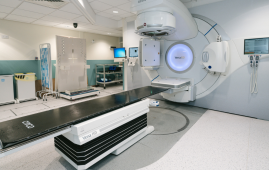 Low-Dose Radiation Therapy Shows Promise in Early Knee OA
Key Points Low-dose radiation therapy was.
 Oral Hormone Replacement Therapy Raises Blood Clot Risk
Key Points Oral hormone replacement therapy.
 GLP-1 Health Information: Quality, Completeness, & Engagement
Key Points A study assessed 128.
 DNA Damage Response May Drive Biological Aging
Key Points Chronic DNA damage response.
 Maternal Diet Fails to Reduce Infant Egg and Peanut Allergy
Key Points A large Australian randomized.
Leave a Comment