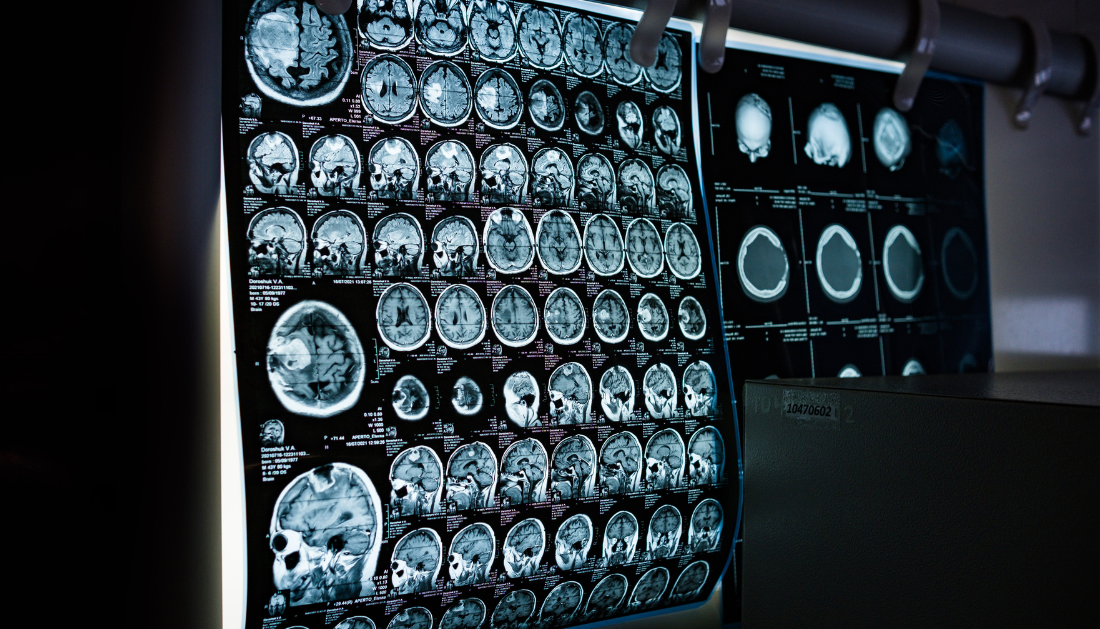
Stroke Rehabilitation: Early High-Intensity Therapy Shows No Added Benefit

A recent clinical trial published in Brain Communications challenges a long-held assumption in stroke rehabilitation, that increasing therapy intensity early after stroke leads to better outcomes. The ESPRESSo trial, led by researchers at the University of Auckland, found that high-intensity therapy initiated within two weeks of stroke did not significantly enhance hand and arm recovery compared to standard care.
This finding is particularly relevant for healthcare professionals managing post-stroke rehabilitation, where optimizing therapy timing and intensity remains a clinical priority.
The trial enrolled 64 stroke survivors and introduced high-repetition, high-intensity therapy over three weeks, adding 90 minutes of daily therapy to standard care. Patients were uniquely selected using a recovery biomarker, allowing a more targeted approach to rehabilitation.
Participants were divided into:
Despite increased exposure to therapy, both groups achieved outcomes comparable to those with standard care alone.
Early recovery is largely driven by spontaneous biological processes, including:
These mechanisms appear to overshadow the impact of additional therapy during the initial recovery phase.
The findings suggest that “more therapy, earlier” may not always translate to better outcomes, prompting a reassessment of rehabilitation protocols.
For clinicians and rehabilitation teams:
Interestingly, digital rehabilitation platforms demonstrated similar outcomes to traditional methods, offering scalable and engaging alternatives for patient care.
This study reinforces the need for personalized stroke rehabilitation, focusing on timing, patient capacity, and the phases of biological recovery rather than on therapy volume alone.
As stroke care continues to evolve, integrating biomarker-driven selection and adaptive therapy models may help improve long-term functional outcomes and patient independence.

 Night Shift Work Alters Key Circadian Gene Expression
A recent study published in Frontiers.
 Tirzepatide Weight Loss: Fat Mass and Muscle Findings
Key points Tirzepatide was associated with.
 Coffee and Gut Microbiome: Brewing and Metabolic Effects
Key Points Coffee contains caffeine, chlorogenic.
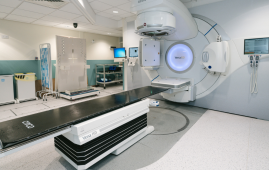 Low-Dose Radiation Therapy Shows Promise in Early Knee OA
Key Points Low-dose radiation therapy was.
 Oral Hormone Replacement Therapy Raises Blood Clot Risk
Key Points Oral hormone replacement therapy.
 GLP-1 Health Information: Quality, Completeness, & Engagement
Key Points A study assessed 128.
 DNA Damage Response May Drive Biological Aging
Key Points Chronic DNA damage response.
 Dietary Polyphenol Intake Associated With Lower MCI Odds
Key Points Older adults without mild.
 Maternal Diet Fails to Reduce Infant Egg and Peanut Allergy
Key Points A large Australian randomized.
 Psychedelic-Assisted Psychotherapy: Music in Treatment
Key Takeaways Psychedelic-assisted psychotherapy combines psychedelic.
Leave a Comment