


















Fragmentome Technology Detects Early Liver Fibrosis
Key Points at a Glance AI-based fragmentome technology detects early liver fibrosis and cirrhosis using genome-wide cfDNA fragmentation patterns. The
Read More





Key findings at a glance: A study followed 261 patients who received intraoperative cryoanalgesia during lung resection. Approximately 64% reported

Key Takeaways (Quick Summary) Researchers uncovered how bacteriophages use a small RNA molecule (PreS) to control bacterial gene expression. PreS

Key points: A Europe-wide study of more than 50,000 adults found that current smokers reported greater loneliness than non-smokers. Smokers

Key Highlights St. Jude Children’s Research Hospital scientists developed the first cell-type-specific Alzheimer’s disease protein atlas using mouse models. Researchers
The Unexpected Protective Role of Rhinoviruses in COVID-19 A groundbreaking study from National Jewish Health has revealed an intriguing phenomenon:
Key Points at a Glance AI-based fragmentome technology detects early liver fibrosis and cirrhosis using genome-wide cfDNA fragmentation patterns. The
Read More
Key Points at a Glance A qualitative study of Canada’s Sharing Dance Older Adults program highlights the value of community-based
Read More
Key Points A high-fat diet accelerated tumor growth in TNBC models. Increased MMP1 levels are associated with greater invasion and
Read More
Key Takeaways Researchers in Spain are investigating the molecular basis of CTNNB1 Syndrome, a rare genetic disorder linked to beta-catenin
Read More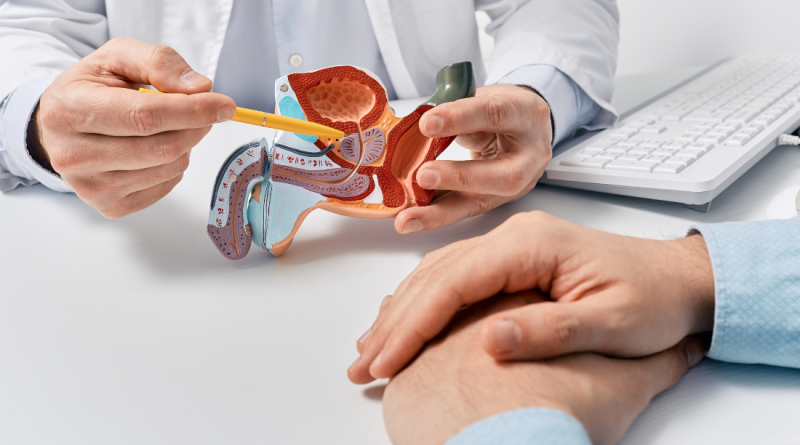
Key Takeaways Serial liquid biopsies using ctDNA show how metastatic castration-resistant prostate cancer (mCRPC) changes under treatment pressure. Androgen receptor
Read More
Key Takeaways Experimental antibiotics disrupt a vital protein degradation system in Mycobacterium tuberculosis Findings explain distinct mechanisms of ecumicin, ilamycin,
Read More
Key Summary Up to $38 million in federal funding awarded to the Barshop Institute at UT Health San Antonio Supports
Read More
Key Takeaways Brain vascular health is strongly linked to early Alzheimer’s-related brain changes. Noninvasive measures of blood flow and oxygenation
Read More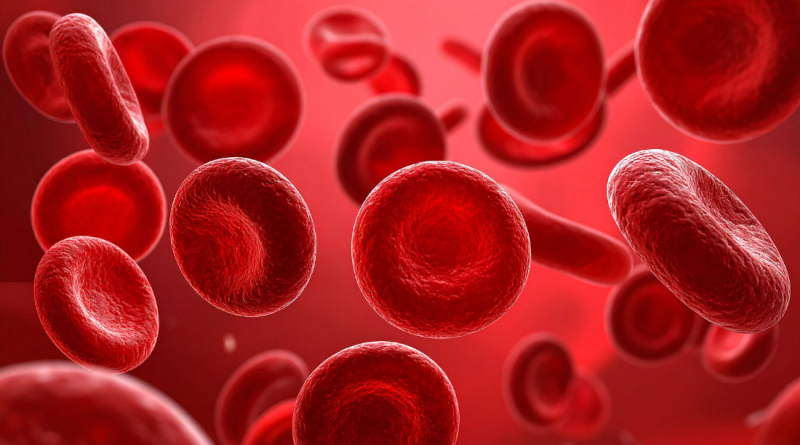
Key Takeaways for Clinicians Chronic hypoxia lowers fasting glucose and improves glucose tolerance independent of insulin Red Blood Cells (RBCs)
Read More
Key Takeaways for HCPs Nanoplastics are now detected in human brain tissue and blood Evidence links a higher plastic burden
Read More