
Early Chlorpyrifos Exposure and Pediatric Brain Changes

A recent JAMA Neurology study highlights the potential long-term neurodevelopmental consequences of prenatal chlorpyrifos exposure (CPF), a widely used pesticide. Children exposed in utero exhibited altered brain metabolism, disrupted neuronal differentiation, and enhanced myelination of the internal capsule, coupled with deficits in fine motor speed and motor programming. These findings raise crucial questions for pediatric neurologists, neurodevelopmental specialists, and environmental health clinicians regarding early-life chemical exposures and lifelong brain health.
Prenatal Chlorpyrifos Exposure, historically prevalent in homes and agricultural settings before its 2001 residential ban in the U.S., crosses the placenta and can accumulate in the developing fetal brain. Rodent studies have previously shown that early CPF exposure disrupts glial cell generation and neuronal differentiation, causing behavioral and cognitive deficits. The current study provides direct evidence of metabolic and structural brain changes in school-aged children, emphasizing the clinical relevance of early environmental exposures.
The research employed MRI, diffusion tensor imaging (DTI), arterial spin labeling (ASL), and magnetic resonance spectroscopic imaging (MRSI) to assess cortical thickness, white matter volumes, fractional anisotropy (FA), average diffusion coefficient (ADC), regional cerebral blood flow (rCBF), and N-acetylL-aspartate (NAA) concentrations in children aged 6–14. Key findings included:
These results indicate that prenatal CPF exposure may induce widespread neurodevelopmental and metabolic disruption, underscoring the importance of early detection and monitoring in at-risk populations.
For pediatric neurologists, occupational health specialists, and nurses, these findings highlight the need to consider environmental exposures when evaluating neurodevelopmental delays, motor skill deficits, and cognitive challenges in children. Understanding the molecular mechanisms of oxidative stress, inflammation, mitochondrial dysfunction, and oligodendrocyte dysregulation can inform both preventative strategies and therapeutic interventions. Although limited by sample demographics, this study reinforces the critical need for environmental risk assessment and continued research into chemical exposures during pregnancy.

 Brain-Computer Interface Uses EEG in Unresponsive Patients
Key findings at a glance Mind-controlled.
 Gamma Oscillations Restored in Alzheimer’s Disease Mice
Key takeaways Researchers restored parvalbumin (PV).
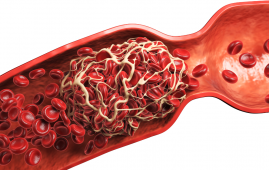 Coffee Consumption Linked to Lower Recurrent VTE Risk
Key points at a glance Study.
 Body Roundness Index Linked to Higher Heart Attack Risk
Key findings at a glance Study.
 Maternal Diet Fails to Reduce Infant Egg and Peanut Allergy
Key Points A large Australian randomized.
 Visual Impairment Linked to Higher Dementia Risk
Key findings at a glance A.
 Long-Acting HIV Treatment May Help Drug-Resistant Cases
Key Takeaways A UCSF study found.
 Night Shift Work Alters Key Circadian Gene Expression
A recent study published in Frontiers.
 Tirzepatide Weight Loss: Fat Mass and Muscle Findings
Key points Tirzepatide was associated with.
 Coffee and Gut Microbiome: Brewing and Metabolic Effects
Key Points Coffee contains caffeine, chlorogenic.
Leave a Comment