

Traumatic brain injury (TBI) is a major public health concern. Approximately one million people visit accident and emergency services each year following a head injury.
TBI can lead for various health outcomes and have lasting lifelong effects. Previous work to quantify links between TBI and health outcomes has mainly focused on acute conditions rather than long term conditions and has not summarised outcomes across all health domains.
The findings, now published in Nature Mental Health, suggest that longer term treatment is important after a TBI to prevent these outcomes.
Read the full story on the Department of Psychiatry website.

more recommended stories
 Gamma Oscillations Restored in Alzheimer’s Disease Mice
Key takeaways Researchers restored parvalbumin (PV).
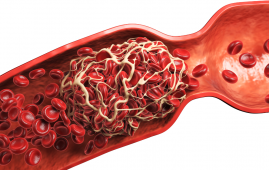 Coffee Consumption Linked to Lower Recurrent VTE Risk
Key points at a glance Study.
 Body Roundness Index Linked to Higher Heart Attack Risk
Key findings at a glance Study.
 Maternal Diet Fails to Reduce Infant Egg and Peanut Allergy
Key Points A large Australian randomized.
 Visual Impairment Linked to Higher Dementia Risk
Key findings at a glance A.
 Long-Acting HIV Treatment May Help Drug-Resistant Cases
Key Takeaways A UCSF study found.
 Night Shift Work Alters Key Circadian Gene Expression
A recent study published in Frontiers.
 Tirzepatide Weight Loss: Fat Mass and Muscle Findings
Key points Tirzepatide was associated with.
 Coffee and Gut Microbiome: Brewing and Metabolic Effects
Key Points Coffee contains caffeine, chlorogenic.
 Low-Dose Radiation Therapy Shows Promise in Early Knee OA
Key Points Low-dose radiation therapy was.
Leave a Comment