PFAS Elimination: Cholesterol Drugs Show Promise

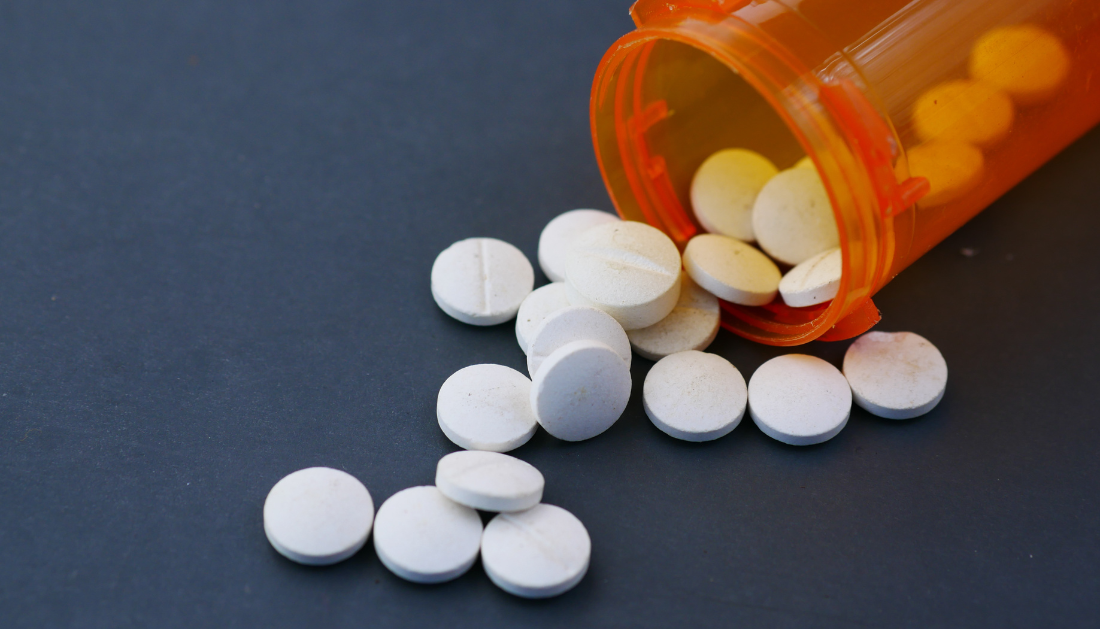
Per- and polyfluoroalkyl substances (PFAS) continue to pose widespread public health challenges due to their long-lasting presence in the environment and the human body. Individuals exposed to PFAS-contaminated water can retain these chemicals in their bloodstream for several years. A recent study from the University of Gothenburg now suggests that two commonly prescribed cholesterol-lowering medications, cholestyramine and colesevelam, may significantly accelerate the body’s ability to remove PFAS.
The study focused on residents of Ronneby, Sweden, where municipal drinking water was contaminated for decades due to the use of aqueous film-forming foam during routine firefighting drills at a nearby air force base. Although the water source was replaced in 2013, many residents continued to show high PFAS concentrations long after exposure stopped. These individuals provided a unique opportunity to examine how PFAS behaves in the body over time.
Researchers enrolled 10 adults aged 25–47, measuring PFAS levels both during medication use and during medication-free periods. Each participant received either cholestyramine or colesevelam for 12 weeks, followed by a 12-week interval without medication, allowing each person to serve as their own control. This design minimized external variation and demonstrated true differences in elimination rates.
The findings were notable. During the medication-free phases, polyfluoroalkyl substance levels declined only slightly, consistent with the known slow natural elimination rate. However, during the treatment phases, both medications markedly increased elimination, with some polyfluoroalkyl substance compounds decreasing by up to 40% over 12 weeks. The results confirm earlier research showing cholestyramine’s effect and introduce new evidence that colesevelam may offer similar benefits.
These medications bind certain molecules in the gut and prevent their reabsorption—likely reducing the body’s PFAS recycling process and promoting excretion.
Researchers are clear: improved elimination has not yet been proven to improve health outcomes. No conclusions can yet be drawn regarding reduced cancer risk, endocrine disruption, metabolic outcomes, or immune effects.
Lead investigator Axel Andersson emphasizes the need for long-term, outcomes-based research before recommending routine use.
For now, these medications may be considered in high-exposure patients with significantly elevated levels, under clinician guidance, with attention to potential gastrointestinal side effects and treatment tolerance.

 Gamma Oscillations Restored in Alzheimer’s Disease Mice
Key takeaways Researchers restored parvalbumin (PV).
 Long-Acting HIV Treatment May Help Drug-Resistant Cases
Key Takeaways A UCSF study found.
 Coffee and Gut Microbiome: Brewing and Metabolic Effects
Key Points Coffee contains caffeine, chlorogenic.
 Low-Dose Radiation Therapy Shows Promise in Early Knee OA
Key Points Low-dose radiation therapy was.
 GLP-1 Health Information: Quality, Completeness, & Engagement
Key Points A study assessed 128.
 DNA Damage Response May Drive Biological Aging
Key Points Chronic DNA damage response.
 Psychedelic-Assisted Psychotherapy: Music in Treatment
Key Takeaways Psychedelic-assisted psychotherapy combines psychedelic.
 Cardiovascular Frailty Links Heart Health and Aging
Key Points Cardiovascular frailty may connect.
 Laser Blended Vision: Simple Test Predicts Success
Key Points A simple phoropter-based test.
 Smoking and Loneliness Linked in Large European Study
Key points: A Europe-wide study of.
Leave a Comment