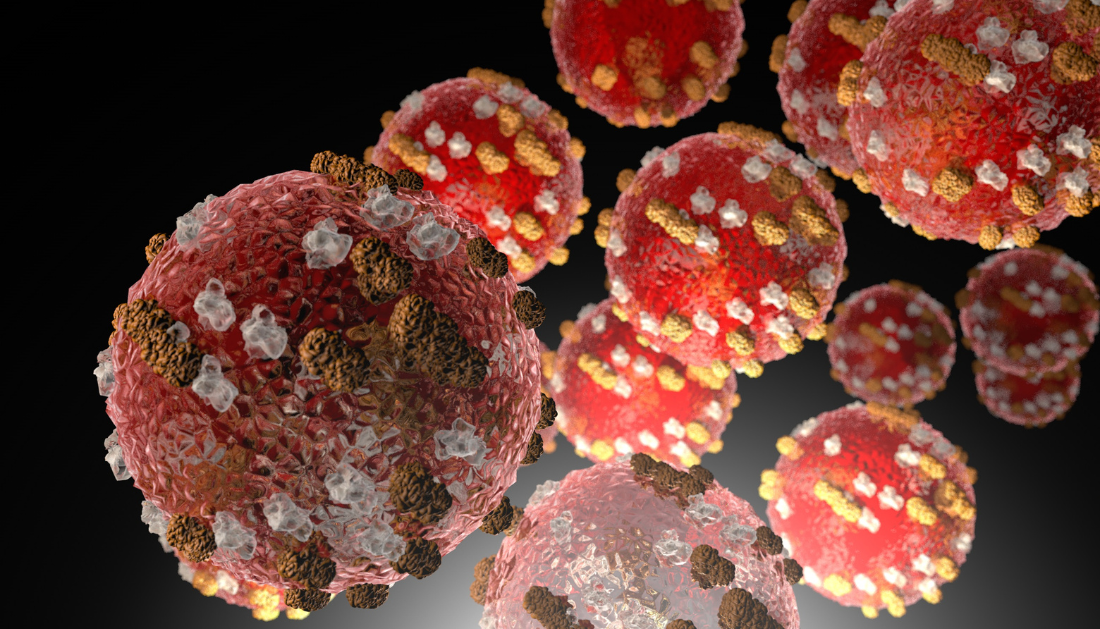
Measles Cases Increase Across North Carolina

The North Carolina Department of Health and Human Services (NCDHHS) has reported 15 confirmed measles cases since late December 2025, marking a concerning rise in infections statewide. The latest update to the Measles Cases and Outbreak Dashboard also confirms the first hospitalization related to the current cluster.
Public health officials emphasize that measles remains an active threat. Most reported cases are associated with travel to known outbreak regions and have occurred in unvaccinated individuals. The state health department is reinforcing its recommendation that all eligible individuals aged one year and older receive the measles, mumps, and rubella (MMR) vaccine.
For clinicians, this increase underscores the need for vigilant case identification, vaccination review during patient encounters, and timely reporting to local health authorities.
In response to rising measles cases in North Carolina, NCDHHS has introduced targeted outreach strategies, including:
Individuals receiving a text alert may have been at a location during a potential exposure window. Public health officials clarify that receiving a notification does not confirm infection but signals the need for symptom monitoring and guidance adherence.
Healthcare providers may also coordinate follow-up via phone, email, or in-person contact through local health departments and the North Carolina Public Health Outreach Team.
Measles is a highly contagious, airborne viral disease. The virus can remain viable in the air for up to two hours after an infected individual leaves the area. Symptoms typically develop 7–14 days after exposure but may appear up to 21 days later.
Common clinical features include:
Complications may include pneumonia, diarrhea, encephalitis, and immune suppression, particularly in pediatric and immunocompromised populations.
For HCPs and nursing teams, reinforcing MMR vaccination status during preventive visits and pre-travel consultations remains critical. The vaccine is available through healthcare providers, local health departments, retail pharmacies, and the Vaccines for Children program.
As measles cases in North Carolina persist, coordinated vaccination efforts and timely communication will be essential to limiting further transmission.
Source:

 Gum Recession from Snus Confirmed, Caries Risk Debated
Key Highlights Snus use is strongly.
 Climate Change Drives Dengue Outbreaks Globally
Key Takeaways Extreme weather significantly increases.
 Teen Driving Risks: Parents Underestimate Safety Threats
Key Takeaways Teen driving risks remain.
 Stem Cell Therapies Course for Parkinson’s Disease Clinicians
Key Summary The International Society for.
 Invasive Cosmetic Procedures Raise Patient Safety Concerns
Key Summary Experts publishing in The.
 Food Tolerance Mechanism: How T Cells Prevent Allergies
Key Summary Researchers at Stanford University.
 Influenza Vulnerability Index Maps Flu Risk Across US States
Key Points Researchers developed a new.
 Post Amputation Pain Patterns Differ by Prosthetic Type
Key Summary A new study from.
 Fragmentome Technology Detects Early Liver Fibrosis
Key Points at a Glance AI-based.
 Dance for Healthy Aging: Study Highlights Benefits
Key Points at a Glance A.
Leave a Comment